Vegan nutrition tips are essential for anyone looking to thrive on a plant-based diet. Embracing veganism offers a myriad of health benefits, but it also comes with its own set of challenges and misconceptions. Understanding the essential nutrients required for a balanced vegan diet is the first step toward optimal health and well-being.
From macronutrient balance to meal planning, this guide will equip you with practical tips and insights to not only maintain your energy levels but also to reap the full benefits of a vegan lifestyle. Whether you’re new to veganism or looking to refine your approach, this overview will help clarify the path ahead.
Vegan Nutrition Basics
A vegan diet can provide all the essential nutrients needed for a healthy lifestyle, but it requires some knowledge and planning. Understanding the key nutrients, their sources, and how to balance macronutrients is crucial for anyone following a vegan diet. This section provides an overview of these essentials and clarifies common misconceptions often associated with vegan nutrition.
Essential Nutrients in a Vegan Diet
A vegan diet can be rich in vitamins, minerals, and other important nutrients, but some nutrients require careful attention to ensure adequate intake. Key nutrients include:
- Protein: Essential for muscle repair and growth. Good sources include legumes, tofu, tempeh, seitan, and quinoa.
- Iron: Important for oxygen transport in the blood. Found in lentils, chickpeas, beans, and fortified cereals. Pairing iron-rich foods with vitamin C sources like citrus fruits can enhance absorption.
- Calcium: Vital for bone health. Available from fortified plant milks, tofu made with calcium sulfate, and leafy greens such as bok choy and broccoli.
- Omega-3 Fatty Acids: Support heart health and brain function. Flaxseeds, chia seeds, hemp seeds, and walnuts are excellent sources.
- Vitamin B12: Crucial for nerve function and blood cell formation. Since this vitamin is primarily found in animal products, fortified foods or supplements are necessary for vegans.
- Vitamin D: Important for bone health and immune function. Sources include fortified plant milks and exposure to sunlight, with supplements recommended in low-sunlight areas.
- Zinc: Supports immune function and metabolism. Found in beans, lentils, seeds, and whole grains.
Common Misconceptions about Vegan Nutrition
Misunderstandings about vegan diets can lead to confusion about nutritional adequacy. Some prevalent misconceptions include:
- Vegans cannot get enough protein: Many plant-based sources provide protein equivalent to animal products, making it easy to meet protein needs.
- Vegan diets are inherently healthy: While a vegan diet can be nutritious, it can also be high in processed foods. Whole foods should be prioritized for optimal health.
- Vegans lack sufficient vitamins and minerals: With careful planning, a vegan diet can meet all nutritional needs. Fortified foods and supplements can fill any gaps.
Balancing Macronutrients in a Vegan Meal Plan
Creating a balanced vegan meal plan involves understanding how to incorporate a variety of macronutrients: carbohydrates, proteins, and fats. Each plays a vital role in overall health. A balanced approach includes:
- Carbohydrates: Should make up a significant portion of your diet. Focus on whole grains, fruits, and vegetables, which provide essential fiber and nutrients.
- Proteins: Include a variety of plant-based proteins to ensure all essential amino acids are consumed. Mixing different sources like beans and rice can help achieve this balance.
- Fats: Healthy fats are crucial for nutrient absorption and overall health. Include sources like avocados, nuts, seeds, and olive oil in your diet.
“Prioritize a colorful plate filled with whole foods to ensure a wide range of nutrients.”
By understanding these nutritional components and incorporating a variety of whole foods, a vegan diet can be both delicious and nutritionally balanced.
Meal Planning and Preparation
Meal planning and preparation are essential for maintaining a balanced vegan diet. By organizing your meals in advance, you can ensure that you are getting a variety of nutrients while also saving time and money. A weekly meal prep routine not only helps in managing portion sizes but also makes it easier to resist the temptation of less healthy options during busy days.To effectively plan your meals, consider incorporating a diverse range of foods that provide the necessary vitamins, minerals, protein, and healthy fats.
Below is a guide that includes meal prep ideas, a shopping list, and suggestions for quick and nutritious snacks that fit into a busy lifestyle.
Weekly Vegan Meal Prep Guide
Creating a weekly meal prep plan can simplify your cooking routine. Here’s an example of a basic meal prep guide that includes breakfast, lunch, dinner, and snacks:
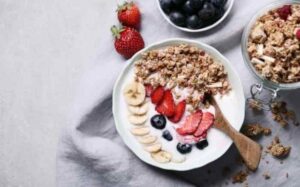
- Breakfast: Overnight oats with almond milk, chia seeds, and topped with fruits.
- Lunch: Quinoa salad with black beans, corn, diced tomatoes, avocado, and lime dressing.
- Dinner: Stir-fried tofu with mixed vegetables (broccoli, bell peppers, carrots) served with brown rice.
- Snacks: Carrot sticks with hummus, mixed nuts, and energy balls made from dates and oats.
Prepare these meals in batches on the weekend. For instance, you can cook a large pot of quinoa or brown rice, make a big batch of roasted vegetables, and prepare overnight oats for breakfast. Store everything in airtight containers for easy access throughout the week.
Shopping List for a Well-Rounded Vegan Diet
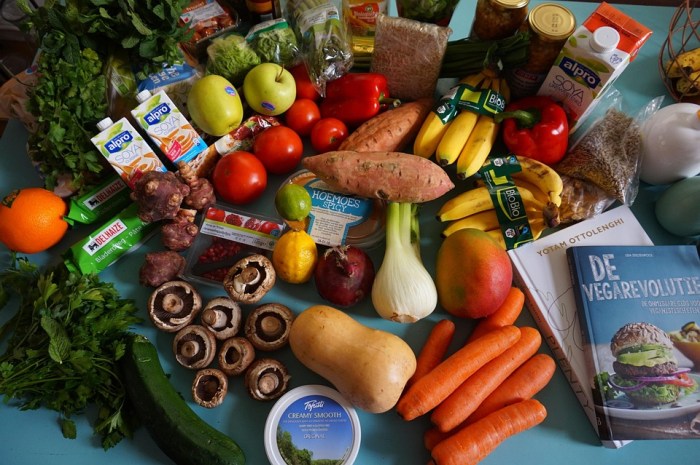
A well-organized shopping list can help you stay focused while grocery shopping and ensure you have all the ingredients needed for your meal prep. Below is a comprehensive list to get started:
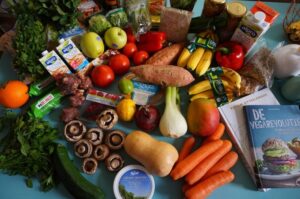
- Fruits: Bananas, apples, berries, avocados, oranges.
- Vegetables: Spinach, kale, bell peppers, broccoli, carrots.
- Grains: Quinoa, brown rice, oats, whole grain bread.
- Legumes: Lentils, chickpeas, black beans, kidney beans.
- Nuts and Seeds: Almonds, walnuts, chia seeds, flaxseeds.
- Dairy Alternatives: Almond milk, coconut yogurt, nutritional yeast.
- Condiments and Spices: Olive oil, balsamic vinegar, garlic, cumin, turmeric.
This shopping list covers the essentials for a balanced vegan diet, ensuring you have a variety of nutrients without compromising on flavor.
Nutritious Vegan Snacks for Busy Lifestyles
Snacking can often be a challenge for those with a busy lifestyle. However, quick and nutritious snacks can keep your energy levels stable throughout the day. Here are some ideas to keep you fueled:
- Energy Balls: Blend dates, oats, and nut butter to form balls and refrigerate.
- Veggies and Hummus: Cut up cucumber, bell peppers, and carrots to pair with homemade or store-bought hummus.
- Nut Butter and Banana Toast: Spread almond or peanut butter on whole grain toast and top with banana slices.
- Trail Mix: Combine nuts, seeds, and dried fruits for a convenient snack.
These snacks are not only easy to prepare but also portable, making them perfect for on-the-go munching during busy days. Remember, incorporating a variety of flavors and textures keeps snacking interesting and satisfying.
“Meal planning is a vital step towards maintaining a healthy vegan lifestyle, ensuring you always have wholesome options at your fingertips.”
Health and Wellness Implications
Adopting a vegan diet can bring about significant changes not only in physical health but also in mental well-being. With a focus on whole, plant-based foods, many individuals experience enhanced mood stabilization and overall wellness. However, understanding the full spectrum of health implications, from potential benefits to risks, is vital for anyone considering this lifestyle change.
Mental Health and Mood Stabilization
Research suggests that a vegan diet can positively influence mental health. The consumption of nutrient-dense plant foods such as fruits, vegetables, whole grains, nuts, and seeds may support brain function and emotional stability. A few key points include:
-
Higher antioxidant levels
in fruits and vegetables can reduce oxidative stress, which is linked to mood disorders.
- Vegan diets often contain
increased fiber
, which is associated with better gut health, a factor increasingly recognized for its connection to mental well-being.
- Essential nutrients found in a vegan diet, such as
omega-3 fatty acids
from flaxseeds and walnuts, play a crucial role in brain health and mood regulation.
Vegan Nutrition Supporting Fitness Goals
For those with fitness aspirations, a well-planned vegan diet can provide adequate nutrition to support performance and recovery. Key considerations include:
-
Protein sources
such as lentils, chickpeas, quinoa, and tofu are abundant in a vegan diet, allowing for muscle repair and growth.
- Carbohydrates from whole grains and starchy vegetables offer
sustained energy
for endurance activities.
- Vitamins and minerals from a variety of plant foods can enhance
recovery times
and reduce inflammation post-exercise.
Potential Health Risks and Benefits
Transitioning to a vegan lifestyle comes with its own set of health risks and benefits that need to be navigated carefully. Understanding these factors is essential for maintaining optimal health. The benefits of a vegan diet can include:
-
Lower risk of chronic diseases
such as heart disease, diabetes, and certain cancers, attributed to lower saturated fat intake and higher consumption of fiber.
- Weight management, as plant-based diets are often lower in caloric density, enabling better control over calorie intake.
- Improved digestion due to a high intake of whole, fiber-rich foods.
Conversely, potential risks may involve:
-
Nutrient deficiencies
, particularly in vitamin B12, iron, calcium, and omega-3 fatty acids, if not properly managed.
- The need for careful meal planning to ensure adequate protein and calorie intake, preventing unintended weight loss or malnutrition.
Wrap-Up
In conclusion, adopting vegan nutrition tips can significantly enhance your overall health while supporting ethical and environmental choices. By focusing on nutrient-dense foods and balanced meal planning, you can enjoy a fulfilling and health-conscious lifestyle. With the right knowledge and resources, a vegan diet can be both enjoyable and nourishing.
Query Resolution
What are the main nutrients to focus on in a vegan diet?
The key nutrients include protein, iron, calcium, vitamin B12, omega-3 fatty acids, and vitamin D. It’s important to incorporate a variety of plant-based sources for these nutrients.
Can a vegan diet support athletic performance?
Yes, a well-planned vegan diet can support athletic performance by providing adequate energy and essential nutrients. Many athletes thrive on plant-based diets.
How can I ensure I’m getting enough protein as a vegan?
Incorporate protein-rich foods like legumes, tofu, tempeh, quinoa, nuts, and seeds into your meals to meet your protein needs.
Are there any risks associated with a vegan diet?
Potential risks include nutrient deficiencies if not properly planned. It’s essential to monitor key nutrients and consider supplementation when necessary.
How can I manage cravings on a vegan diet?
Focus on filling meals with whole foods, stay hydrated, and keep healthy snacks on hand to help manage cravings effectively.