
Personalized nutrition plans are revolutionizing the way we approach health and wellness. By tailoring dietary strategies to individual needs, these plans recognize that one size does not fit all. Whether it’s adjusting for genetic factors, lifestyle choices, or specific health conditions, personalized nutrition offers a unique pathway to better health.
Understanding how these plans work can empower individuals to make informed choices that align with their personal health goals. From enhancing mental well-being to effectively managing chronic conditions, the impact of personalized nutrition extends across various aspects of life.
Understanding Personalized Nutrition Plans
Personalized nutrition plans are tailored dietary strategies designed to meet the unique needs, goals, and preferences of individuals. These plans consider various factors, including lifestyle, health conditions, and even genetic makeup, making them a crucial component of effective health management. The importance of personalized nutrition lies in its ability to provide more than just generic dietary guidelines; it offers a roadmap for optimizing health, enhancing wellness, and preventing chronic diseases.Personalized nutrition goes beyond simple dietary preferences and involves a deeper analysis of an individual’s biology.
Genetics plays a significant role in how our bodies respond to different nutrients and foods. By understanding genetic predispositions, nutritionists can create plans that not only suit personal tastes but also align with metabolic responses. This approach can help individuals achieve specific health goals more effectively than standard dietary advice.
Variations in Personalized Nutrition Plans
Personalized nutrition plans can vary significantly based on individual needs, which may include factors like age, sex, physical activity level, and existing health conditions. The following points illustrate how these plans can be tailored differently for various individuals:
- Genetic Testing: Some individuals may undergo genetic testing to identify how their bodies metabolize certain nutrients, such as fats or carbohydrates. This information can lead to customized macronutrient ratios that optimize energy levels and body composition.
- Health Conditions: Individuals with specific health issues, such as diabetes or hypertension, often require specialized nutrition plans that manage or mitigate symptoms. For instance, a diabetic person might follow a low-glycemic diet to maintain stable blood sugar levels.
- Lifestyle Factors: Athletes or those with high physical activity levels may need increased protein intake and calorie consumption. Their nutrition plans would focus on nutrient timing and recovery, enhancing performance and muscle repair.
- Dietary Preferences: Personal choices, such as vegetarianism or veganism, also influence personalized nutrition plans. These individuals must ensure they get adequate nutrients like protein, iron, and vitamin B12 from plant-based sources.
Implementing personalized nutrition strategies can lead to improved health outcomes, increased energy levels, and overall enhanced quality of life. By creating plans that align with genetic and lifestyle factors, individuals can engage in a more proactive approach to their health and well-being.
Impact on Health and Wellbeing
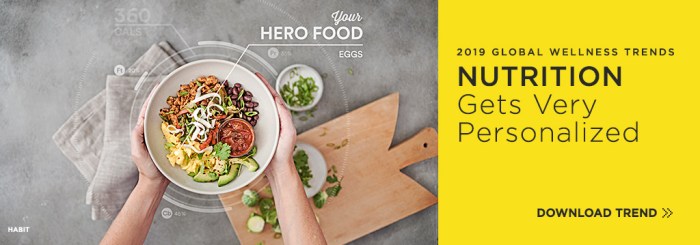
Personalized nutrition plans have a profound impact on overall health and wellbeing, influencing both physical and mental aspects of our lives. By tailoring dietary choices to individual needs, these plans can enhance mood, support chronic disease management, and contribute to successful weight loss journeys.
Mental Health and Mood Enhancement
Nutrition plays a vital role in mental health, with certain nutrients capable of influencing brain function and emotional regulation. Research indicates that omega-3 fatty acids, found in fish and flaxseeds, can improve mood and reduce symptoms of depression. A personalized nutrition plan that includes such foods can foster better mental health outcomes. Furthermore, a well-rounded diet rich in fruits, vegetables, whole grains, and lean proteins provides essential vitamins and minerals, which are crucial for neurotransmitter function and mood stabilization.
For instance, folate and vitamin B12 are linked to reduced feelings of anxiety and depression.
“A balanced diet is foundational for mental well-being.”
Management of Chronic Conditions
Personalized nutrition plans can significantly aid in managing various chronic conditions, such as diabetes, hypertension, and heart disease. By analyzing individual health profiles, these plans can incorporate dietary changes that help control symptoms and enhance overall health.For example, individuals with diabetes benefit from a diet tailored to stabilize blood sugar levels. This may include low glycemic index foods, such as whole grains, legumes, and non-starchy vegetables.
Personalizing nutrient intake ensures individuals maintain optimal glucose levels while providing necessary energy.In the case of hypertension, reducing sodium intake through personalized meal plans can lead to better blood pressure control. Incorporating potassium-rich foods, such as bananas and spinach, can further support heart health.
“Tailoring nutrition is key to effective management of chronic diseases.”
Weight Loss Success
The relationship between personalized nutrition and weight loss success is well-established. By focusing on tailored caloric intake and macronutrient distribution, individuals are more likely to adhere to their weight-loss goals. Personalized nutrition allows for the incorporation of favorite foods while ensuring a balanced approach to meal planning. This flexibility prevents the feeling of deprivation, often associated with generic diets, leading to higher success rates.
Moreover, tracking individual responses to different foods can help refine nutrition plans to maximize results. For instance, someone might find that a higher protein intake contributes to satiety and better adherence to their dietary goals.
“Personalized nutrition enhances motivation and sustainability in weight loss.”
Integration with Other Health Domains
Personalized nutrition plans are powerful tools that go beyond dietary choices. By seamlessly integrating these plans with various health domains, individuals can achieve more holistic health outcomes. The interplay between nutrition, fitness, mental health, and even childhood development highlights the multifaceted benefits of tailored dietary approaches.
Complementing Fitness Routines
Integrating personalized nutrition with fitness routines can significantly enhance overall health outcomes. A well-structured nutrition plan tailored to an individual’s fitness goals can provide the necessary fuel for physical activities, leading to improved performance and recovery.
- Enhanced Energy Levels: Proper nutrition ensures that the body has sufficient energy reserves, allowing for more effective workouts and greater endurance.
- Muscle Recovery: Nutrient timing, such as post-workout protein intake, aids in muscle recovery and growth, reducing soreness and improving overall effectiveness of training.
- Weight Management: Personalized nutrition plans can help individuals meet their weight goals, whether it’s losing fat or gaining muscle, complementing their exercise efforts.
- Improved Focus: A balanced diet can enhance cognitive function, leading to better concentration and motivation during workouts.
Connections with Alternative Treatments for Addictions
Personalized nutrition can also play a vital role in supporting alternative treatments for addictions. Nutrition influences brain chemistry and function, which can be pivotal in the recovery process.
- Support for Neurotransmitter Balance: Certain nutrients, such as omega-3 fatty acids, can help stabilize mood and reduce cravings, which are critical during recovery.
- Detoxification Support: A tailored nutrition plan can assist in detoxifying the body, promoting the elimination of harmful substances and restoring health.
- Improved Mental Resilience: A well-nourished brain is better equipped to handle stress and emotional challenges, aiding in addiction recovery.
Incorporating Personalized Nutrition in Child’s Health Plans
When developing health plans for children, personalized nutrition should be a cornerstone. Tailoring dietary choices to a child’s specific needs can foster healthy growth and development.
- Individualized Dietary Requirements: Understanding a child’s age, weight, activity level, and any medical conditions ensures that their nutritional needs are met adequately.
- Promoting Healthy Habits: Implementing a personalized nutrition plan can instill lifelong healthy eating habits from an early age, setting the stage for better health in adulthood.
- Addressing Nutritional Deficiencies: Personalized plans can target specific deficiencies, such as iron or calcium, which are crucial for children’s physical and cognitive development.
- Encouraging Food Variety: A tailored approach can introduce a variety of foods, making meals more enjoyable and increasing acceptance of different flavors and textures.
Wrap-Up
In summary, personalized nutrition plans represent a powerful tool in the journey toward health and well-being. By considering individual differences and integrating dietary strategies with other health domains, we can foster an environment of holistic wellness. Embracing these tailored approaches opens the door to improved health outcomes for everyone.
FAQ Overview
What are personalized nutrition plans?
They are tailored dietary strategies designed to meet individual health needs and preferences.
How can I create my own personalized nutrition plan?
Consulting with a nutritionist or dietitian can help you create a plan based on your unique health goals and lifestyle.
Can personalized nutrition plans help with weight loss?
Yes, they can be effective in promoting sustainable weight loss by addressing individual dietary needs and preferences.
Are there risks associated with personalized nutrition plans?
Potential risks may include overlooking essential nutrients or following unbalanced diets; professional guidance is recommended.
How do genetics influence personalized nutrition?
Genetics can impact how our bodies process and respond to different foods, informing tailored dietary recommendations.